Applicable Materials:building materials, and other fields. Its core advantages are high fineness, low energy consumption,n and stable operation. It is suitable for non-flammable and explosive materials with Mohs hardness ≤7 and humidity ≤6%.
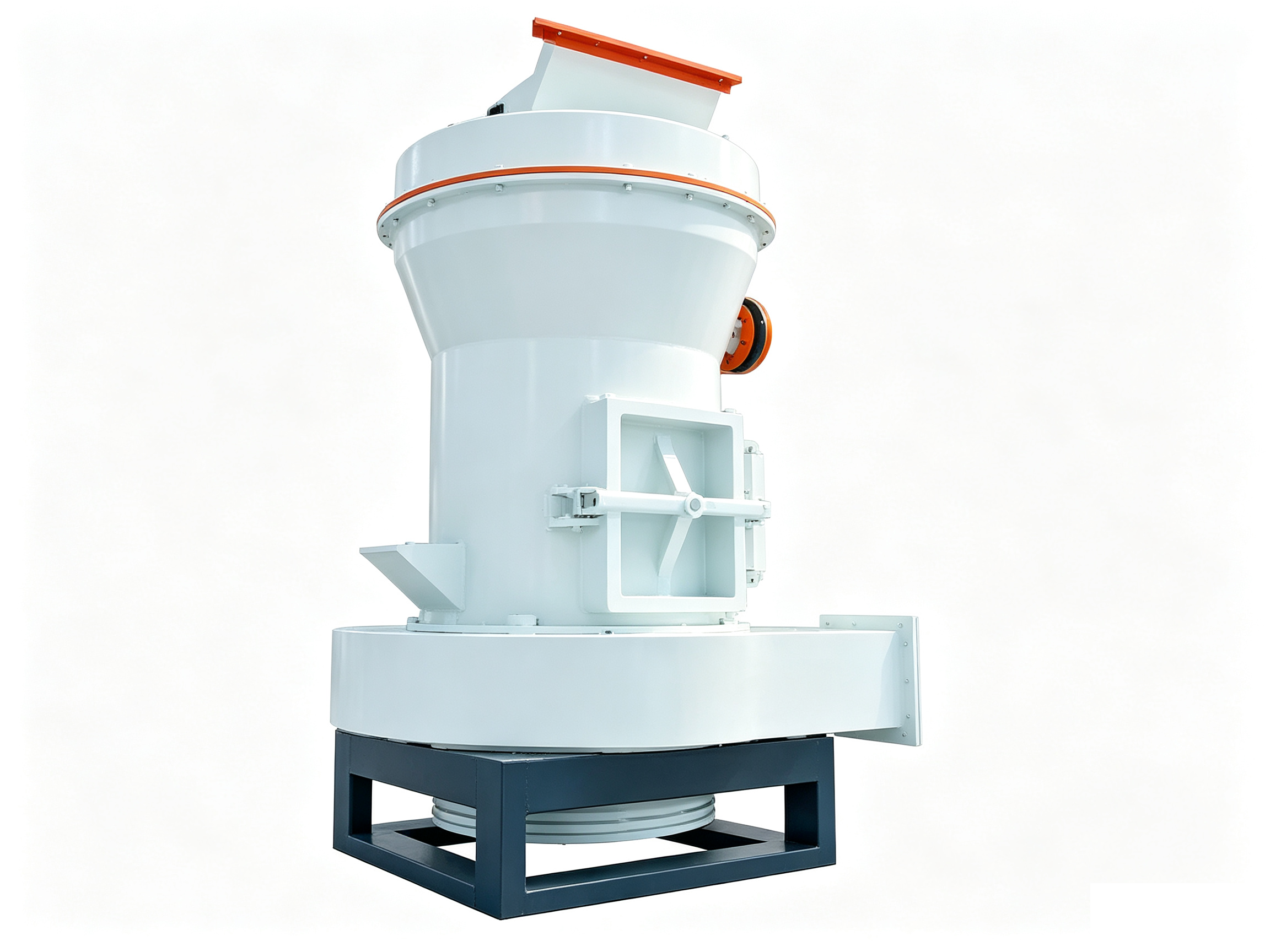
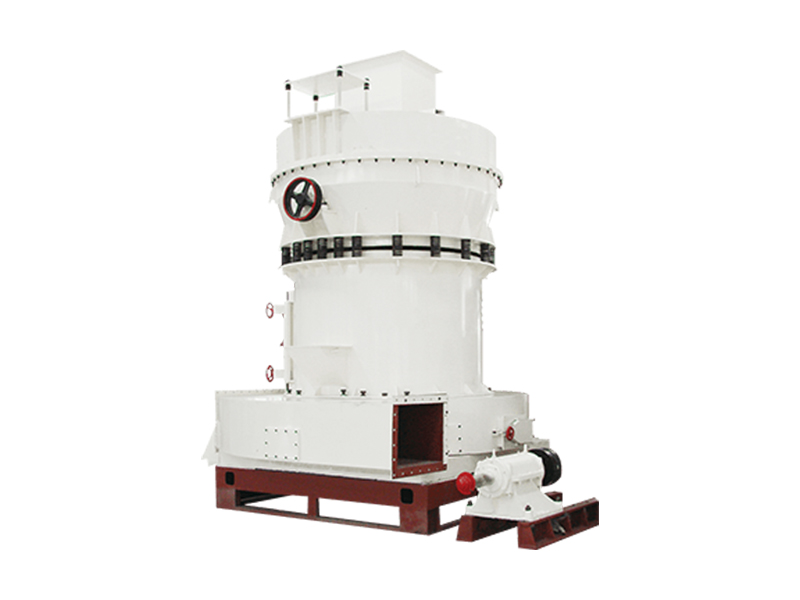
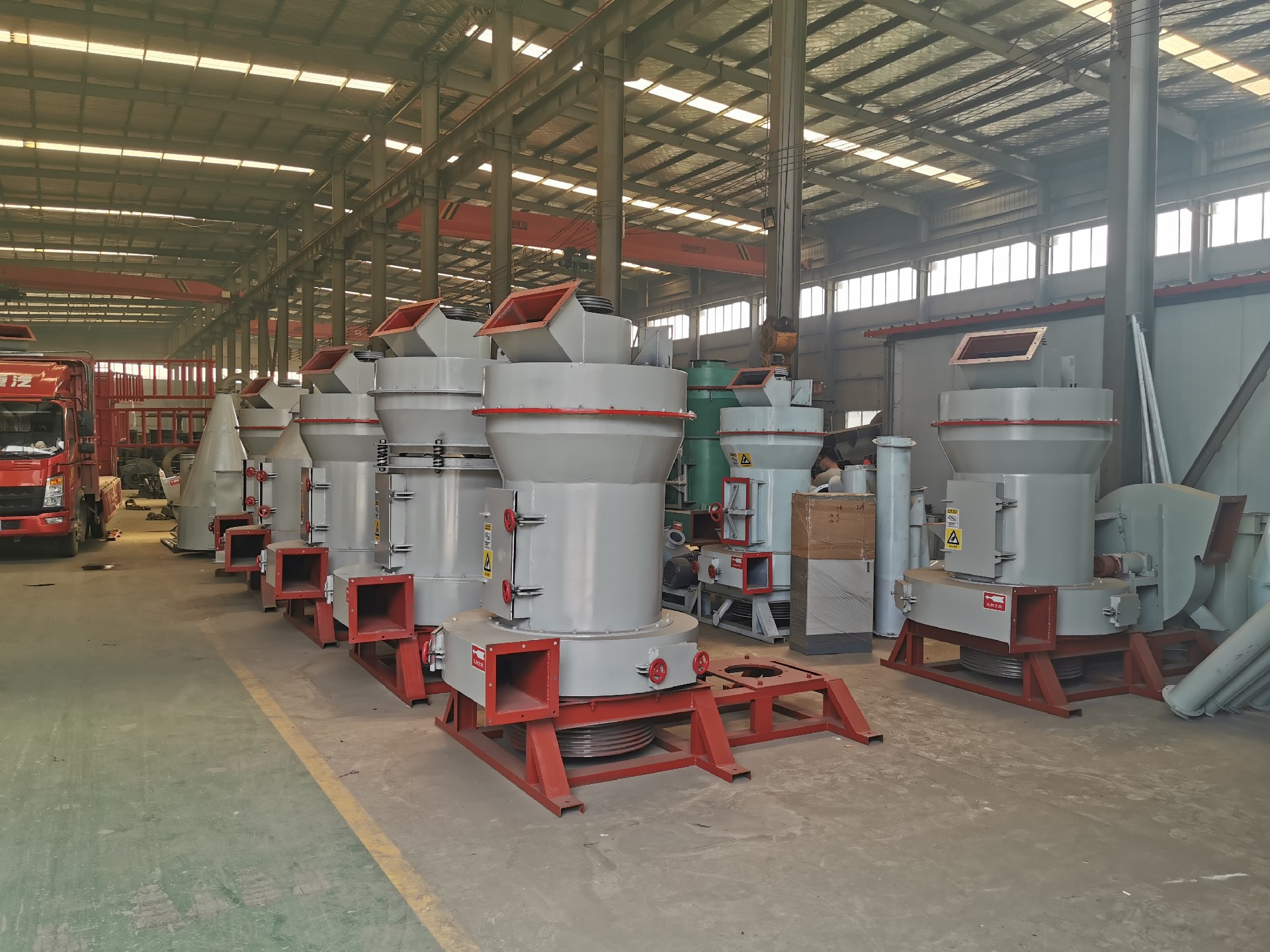
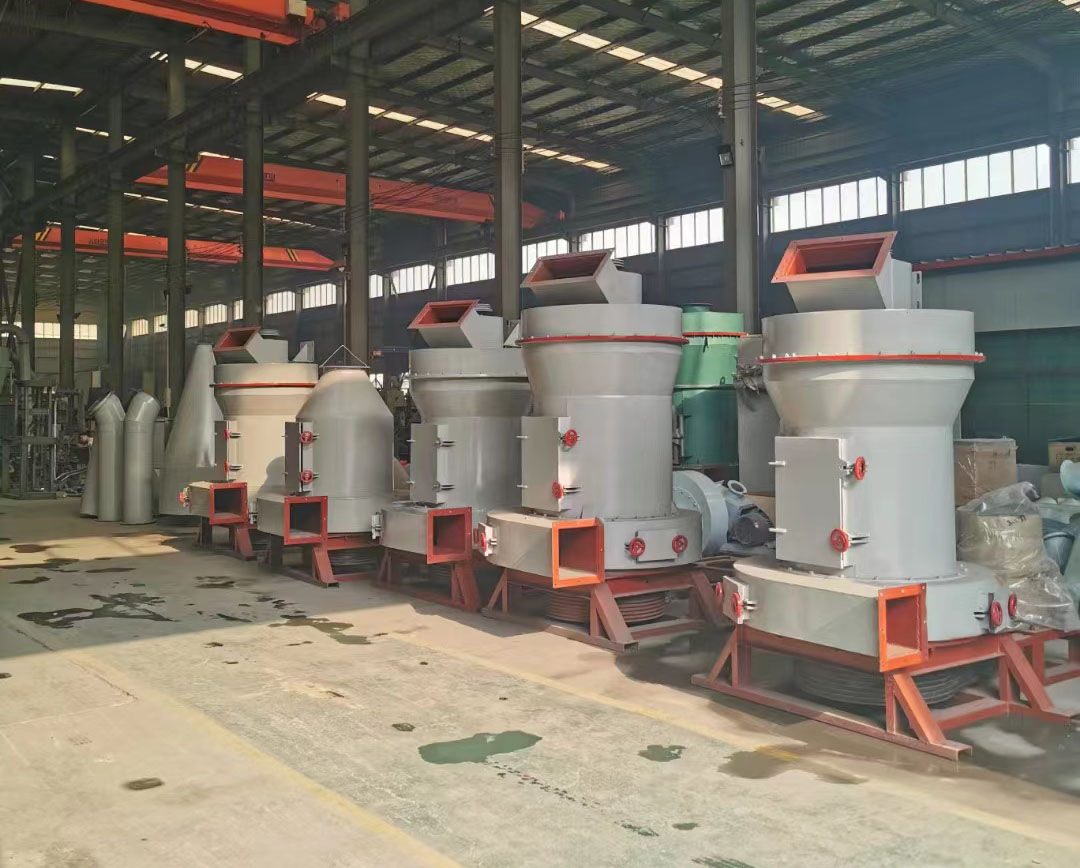
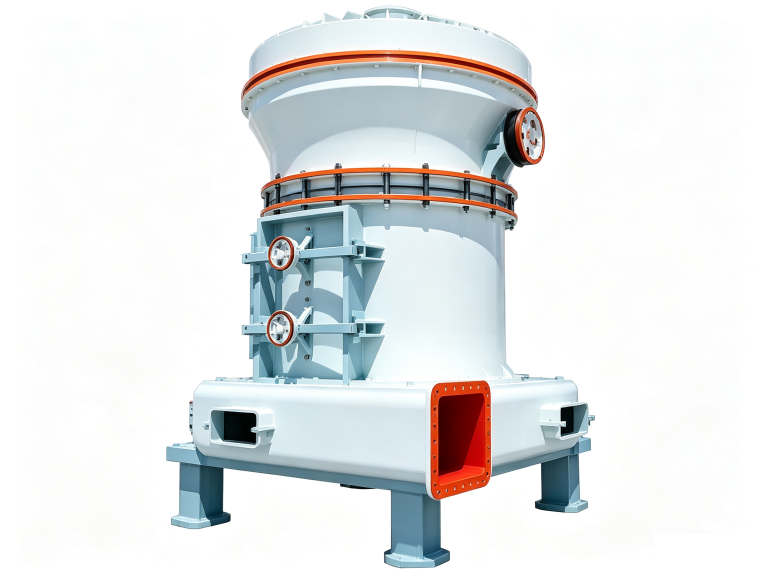
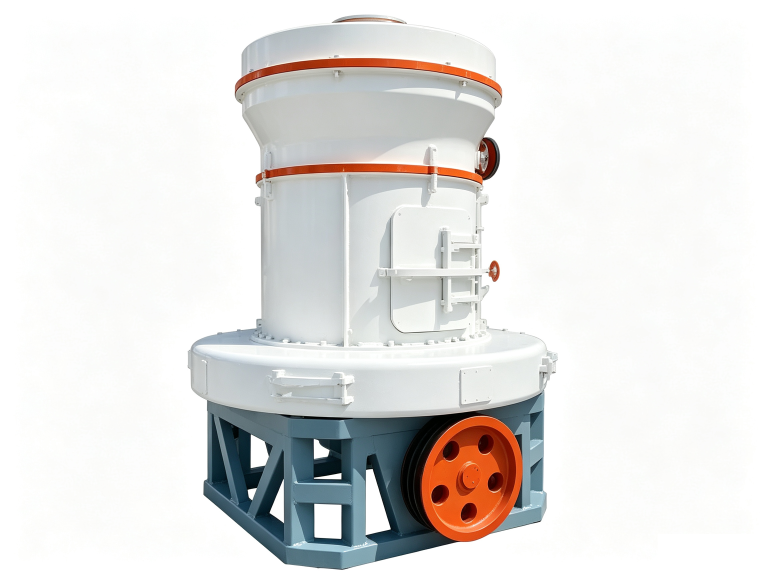
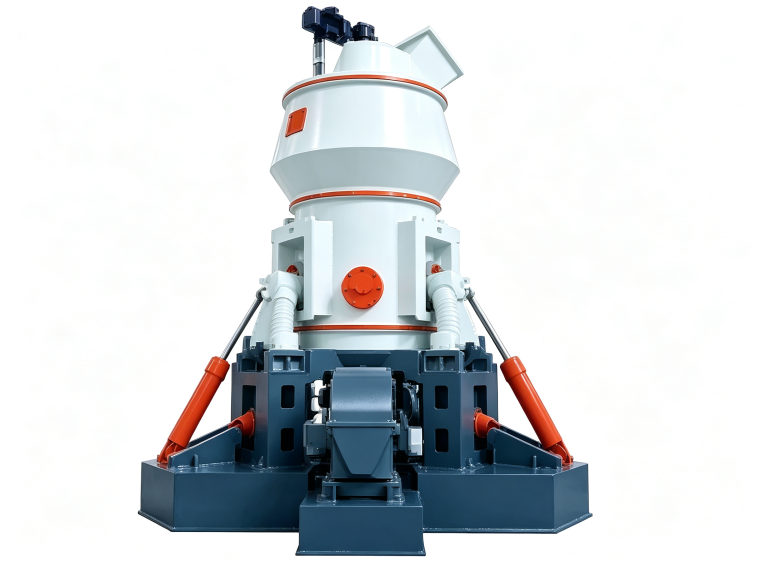
Raymond mill (or suspension roller mill) is an efficient and energy-saving dry grinding equipment. It adopts a vertical structure and annular grinding principle. The material is crushed to 80-600 mesh (0.175-0.044mm) through the rolling action of the grinding roller and the grinding ring.
Core features:
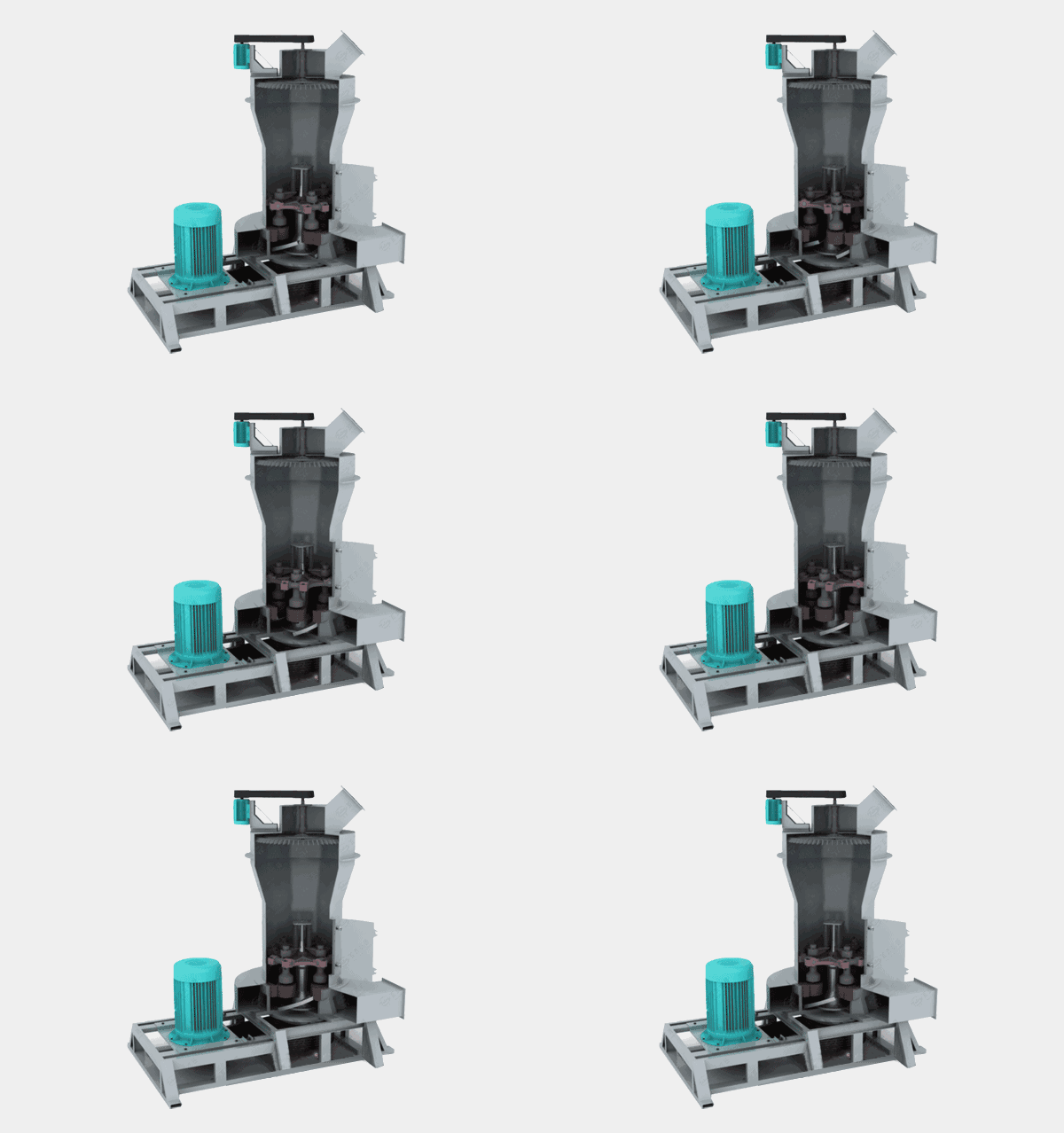
Working principle: The material enters the grinding area through the feeder, and the grinding roller presses the grinding ring under centrifugal force to achieve the crushing effect. The fine powder is separated
and collected by the airflow classifier.
Typical structure: It consists of a main machine, an analyzer, a pipeline system, a cyclone powder collector, a motor, etc., and can be equipped with dust removal and noise reduction equipment.
Technical origin: It was invented by the Raymond Company in the United States in the early 20th century. After several upgrades, it has become the mainstream equipment for non-metallic mineral processing.
Advantages and Features
High efficiency and energy saving
• Multi-roller crushing, energy consumption is 30%~40% lower than that of a ball mill
• Closed-circuit design avoids over-crushing, and the utilization rate of electricity is increased by 20%+
• The power consumption per ton is only 40~50 kWh (325 mesh calcium carbonate), which saves 50% more electricity than air flow mill
Precise and adjustable fineness
• Frequency conversion classifier, fast adjustment of 80~600 mesh, no need to change the screen
• Applicable to minerals with Mohs hardness ≤7 (limestone, talc, etc.)
• Special models can be expanded to 2500 mesh (5μm)
Environmental protection and safety
• Fully enclosed negative pressure operation, dust emission 30mg /m³ (national standard 50)
• Low noise (≤80dB),suitable for urban areas
• Optional explosion-proof configuration (nitrogen protection + explosion-proof valve)
Working Principle
The raw material is crushed into a specified particle size by the jaw crusher, lifted to the hopper by the bucket elevator, and then quantitatively sent to the crushing chamber by the feeder.
A rotating shovel scoops up the ingredients and projects them between the rollers and the ring where the grinding takes place.
The pulverized powder is blown into the classifier by the air blower for classification. Oversized particles fall into the grinding chamber for regrinding. Qualified powder flows into the cyclone collector through the classifier and is collected as finished product.
To ensure that the Raymond mill works under negative pressure. The increased air flow enters the pulse dust collector through the pipeline, and is discharged into the atmosphere after purification. The dust-free operation in the workshop is realized through the pulse collector.
Technical Parameters
Model
Piece of roller
Size of the roller (mm)
Size of the ring (mm)
Feed size(mm)
Fineness of powder (mm)
Capacity (t/h)
Motor power (kW)
Dimension (mm)
3R2115
3
210×150
630×150
15
0.125‑0.044
0.4‑1
15
3500×3300×4500
3R2615
3
260×150
780×150
20
0.125‑0.044
0.5‑2
18.5
4650×3600×5100
3R2715
3
270×150
830×150
20
0.125‑0.044
0.8‑3
22
4700×3600×5100
4R3016
4
300×160
890×160
25
0.125‑0.044
1‑4
30
5400×4100×5200
4R3216
4
320×160
970×160
25
0.125‑0.044
1.8‑4.5
37
7100×5900×7900
5R4119
5
410×190
1270×190
30
0.613‑0.044
2.5‑9.5
75
9200×7250×9700
Any change of technical data will not be advised separately.