Applicable Materials:Limestone, sandstone, construction waste, coal, salt, chalk, gypsum, shale, bricks, and tiles. Also used for crushing fibrous materials, elastic and tough wood, paper, or asbestos-cement waste for asbestos fiber recovery.
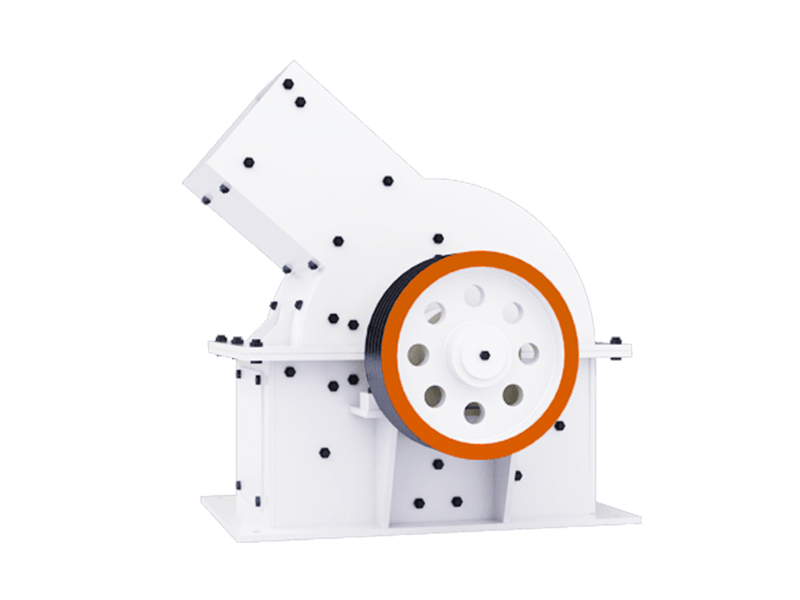
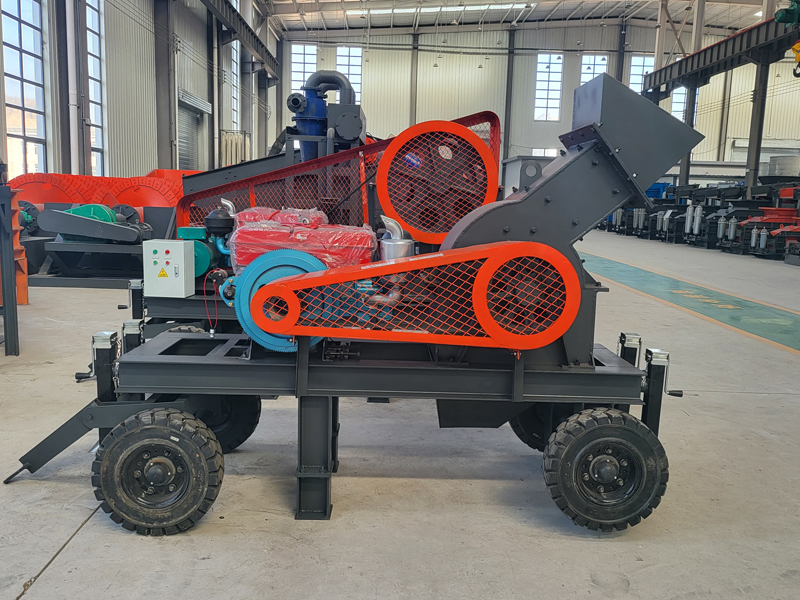
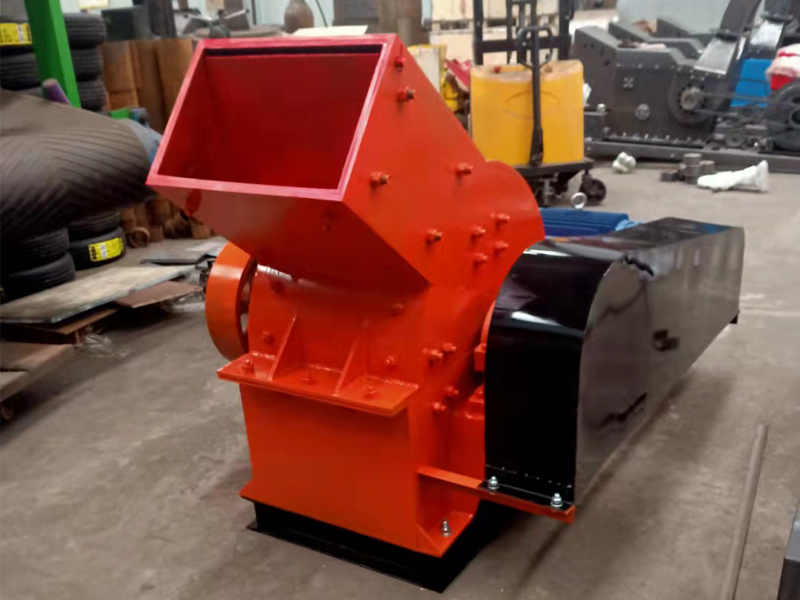
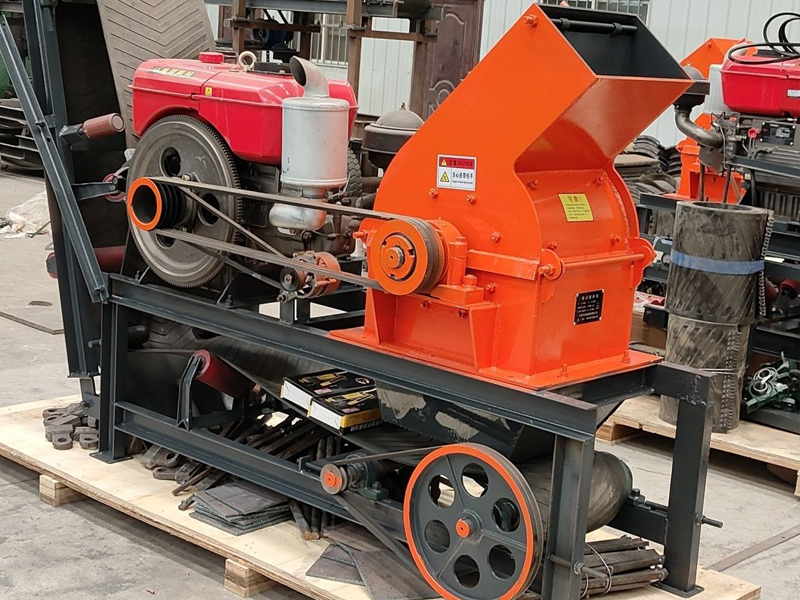
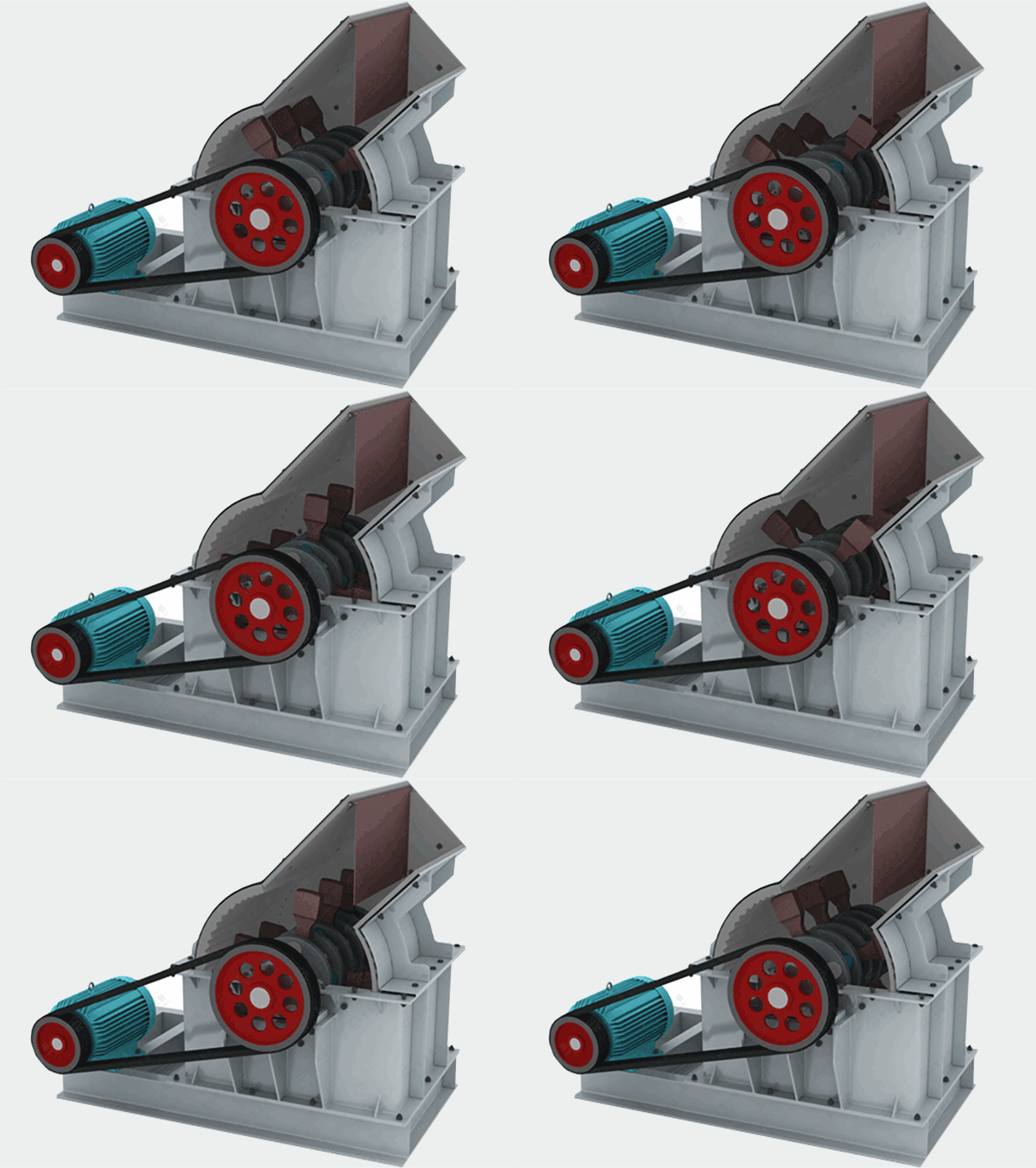
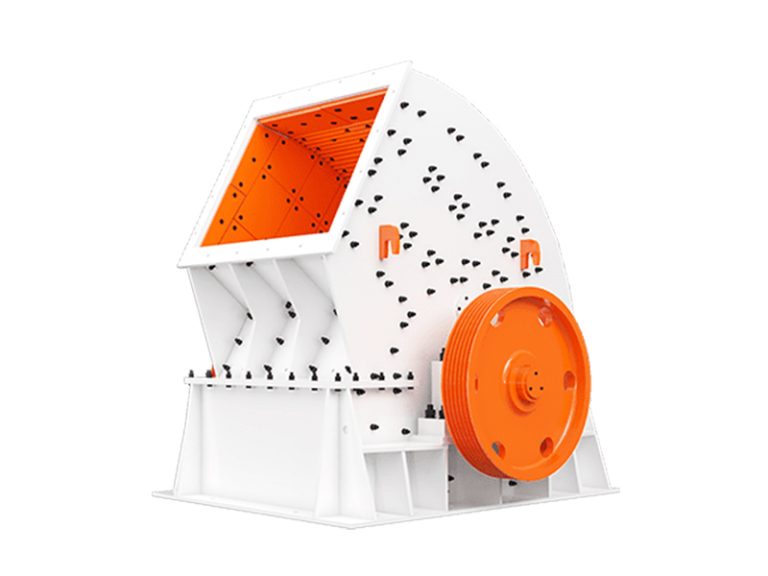
The PCB hammer sand maker primarily consists of a rotor equipped with hammers (also known as hammer heads). The rotor is made up of a main shaft, a disc, pins, and hammers. The motor drives the rotor to rotate at high speed within the crushing chamber. Materials are fed into the machine from the top feed port, where they are crushed by the high-speed rotating hammers through impact, shear, and grinding. In the lower part of the rotor, there is a screen. Particles smaller than the screen holes pass through and are discharged, while larger particles are retained on the screen and continue to be crushed and ground by the hammers until they pass through the screen.
Advantages and Features
Simple and Compact Structure: The overall design is aesthetically pleasing, with a tightly sealed rotor housing that addresses dust pollution and material leakage issues in the crushing workshop.
High Crushing Ratio and Production Efficiency: The simplified process allows for one-time feeding without the need for primary and secondary crushing. This results in high output, reliable performance, and large processing capacity.
Durable, Impact-resistant, and Energy-efficient: The working hammers are cast using new technology, making them wear-resistant and impact-resistant with fewer consumable parts and easy maintenance.
Stable Operation and Excellent Crushing Effect: The aesthetically designed, compact structure ensures long-term stable operation, a high crushing ratio, and uniform product size.
Working Principle
The main working component of the hammer crusher is the rotor equipped with hammers. The rotor consists of a main shaft, discs, pin shafts, and hammers. Below the rotor, a screen plate is installed.
The motor drives the rotor to rotate at high speed within the crushing chamber. Material enters the machine from the upper feed inlet and is crushed under the impact and grinding action of the high-speed hammers. Fine particles smaller than the screen aperture pass through the screen plate and are discharged, while coarse particles larger than the screen aperture are retained on the screen plate for further crushing before being discharged through the screen plate.
Technical Parameters
Model
Max Feed Size(mm)
Discharge size(mm)
Capacity (t/h)
Motor Power(kw)
PC0302
≤70
≤15
3‑5
4
PC0403
≤100
≤15
5‑10
7.5
PC0604
≤220
≤15
10‑25
22
PC0804
≤350
≤15
20‑40
55
PC0808
≤350
≤15
20‑60
75
PC1008
≤400
≤15
25‑80
110
PC1008
≤400
≤15
30‑85
132
Any change of technical data will not be advised separately.