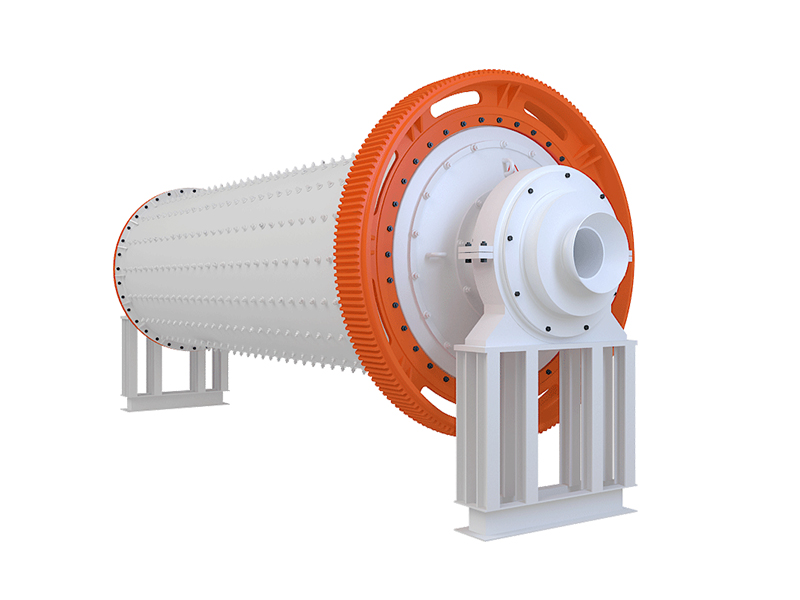
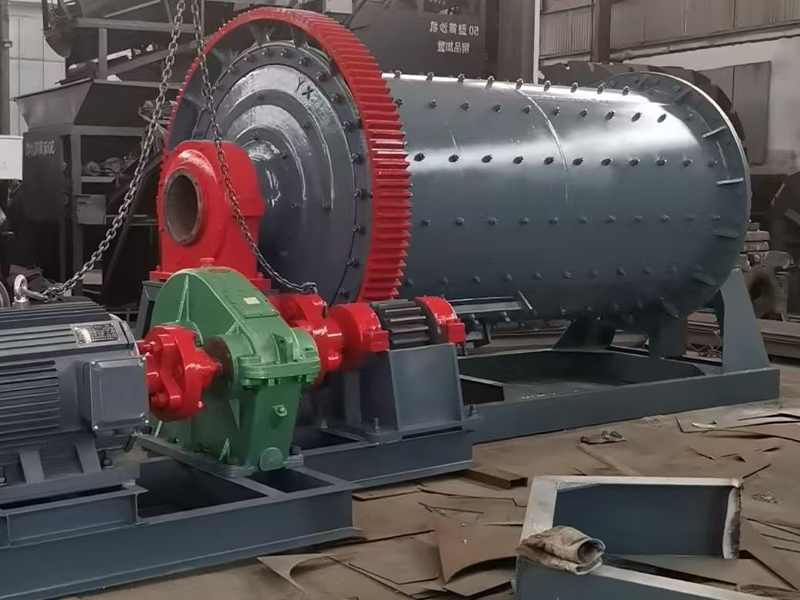
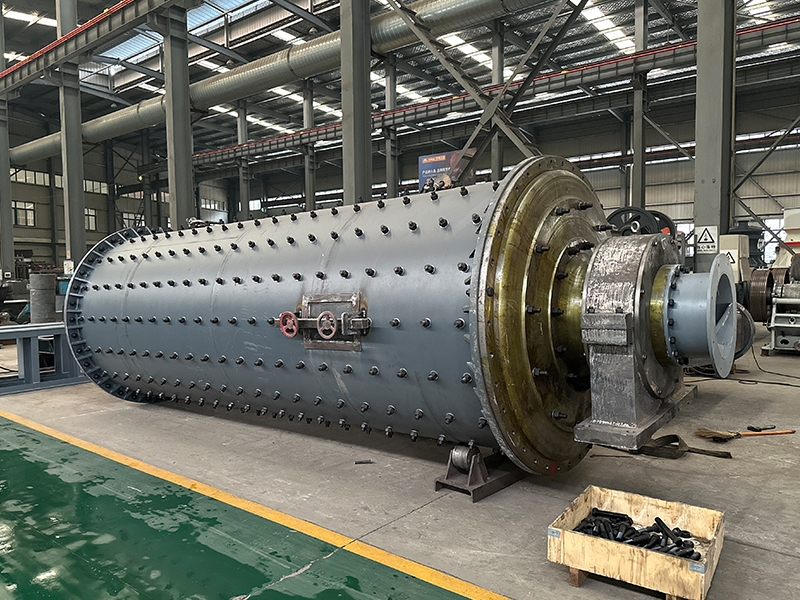
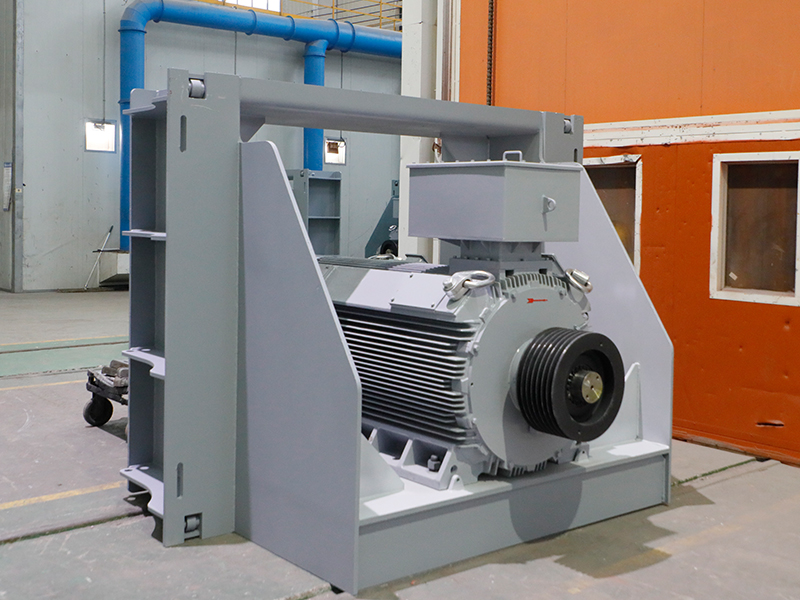
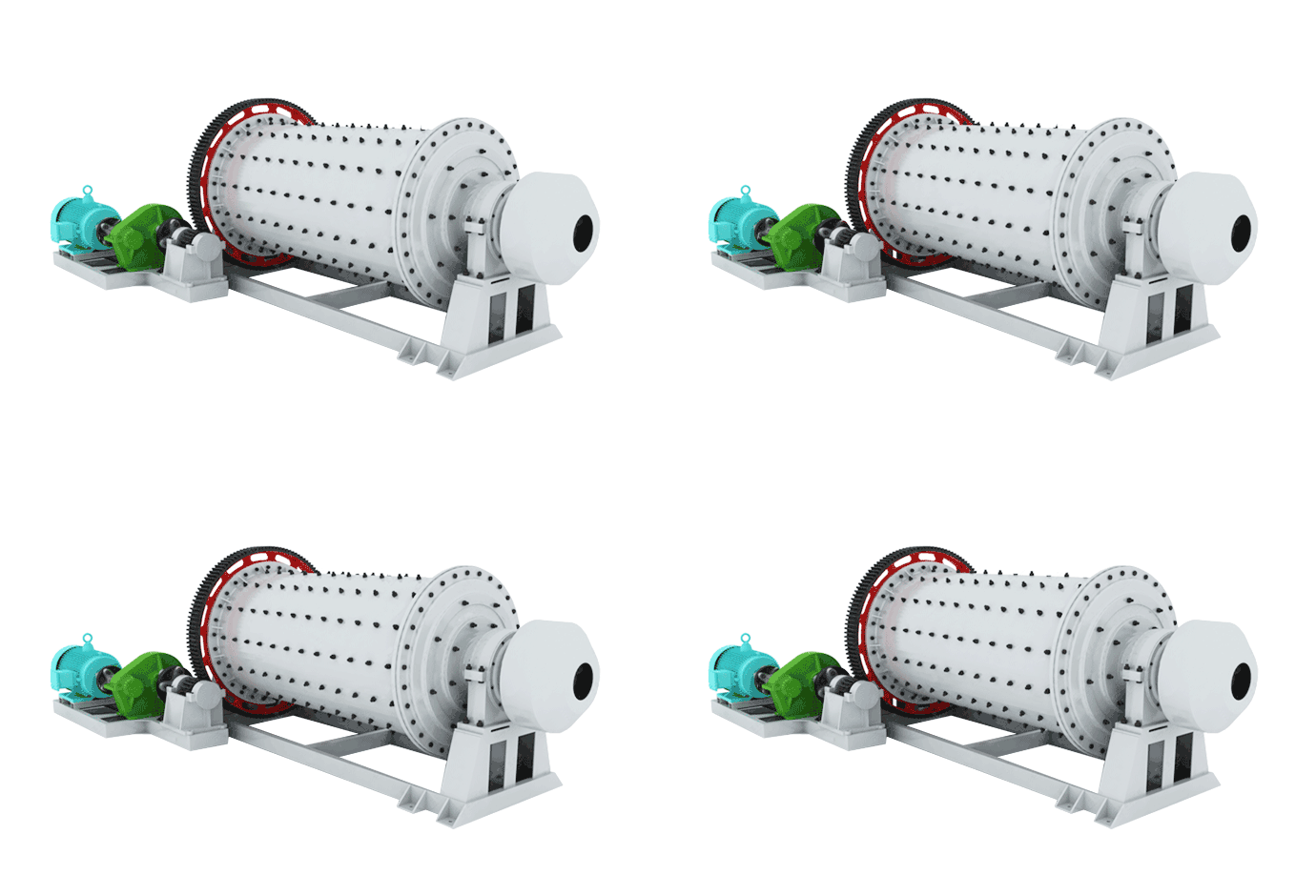
Dry ball mill is a kind of high-efficiency grinding equipment widely used in mining, building materials, the chemical industry, and other industries. It is mainly used for dry grinding of various ores, cement clinker,
coal powder, and other materials. Unlike a wet ball mill, a dry ball mill does not need to add water, which is suitable for materials sensitive to moisture or processes that need to obtain dry powder directly.
What materials can be processed by dry ball mill?
1. Metal ores
• Iron ore, gold ore, copper ore, lead-zinc ore, etc. are used for pre-crushing before ore dressing to make the ore reach a particle size suitable for sorting.
• Dry grinding of rare metal ores such as tungsten ore, molybdenum ore, and manganese ore to avoid moisture affecting subsequent flotation or smelting
2. Non-metallic minerals
• Quartz sand, feldspar, kaolin, talc, ceramics, and glass raw materials preparation, the materials need to be kept ary.
• Limestone, calcite, and barite are used for ultra-fine powder processing of building materials, coatings, and plastic fillers.
• Graphite, fluorite, bentonite, refractory materials or chemical raw materials are dry ground.
3. Building materials and chemical raw materials
• Cement clinker, slag, fly ash, key grinding equipment in cement production, directly output dry powder.
• Processing of raw materials for gypsum, silica powder, mica building additives or fireproof materials.
• Dry grinding of coal powder, coke energy or fuel in the metallurgical industry.
Advantages and Features
High efficiency and energy saving:The optimized design and wear-resistant materials reduce energy consumption by 20%-30% compared with traditional crushing equipment, and the grinding efficiency is increased by more than 35%, which greatly reduces production costs.
Strong adaptability:It can process various ores, chemical raw materials, and solid waste (such as steel slag, fly ash) with Mohs hardness <9; it supports dry grinding and wet grinding to meet the fineness requirements of different industries (80-2500 mesh adjustable).
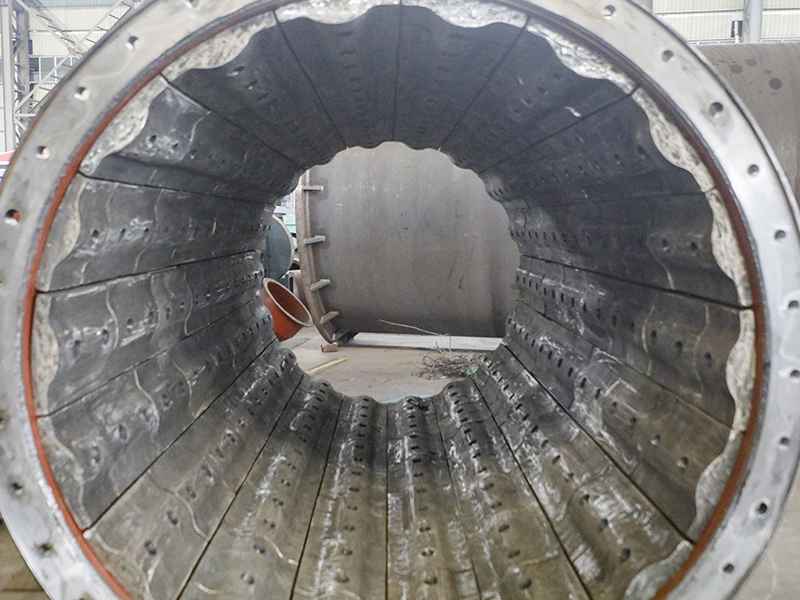
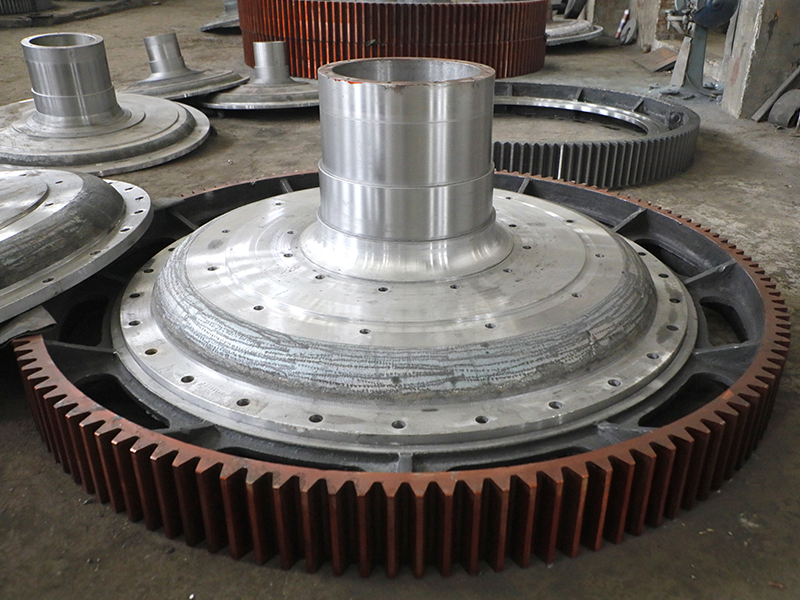
Stable and durable:The core components have a long life, the high manganese steel liner has a service life of 5-8 years, and the gear transmission system adopts carburizing and quenching technology, with a failure rate of <1%.
Precise and controllable particle size:By adjusting the grinding medium (steel ball/ceramic ball) ratio, the cylinder speed (0.5-40 rpm), and the grading system, the finished product fineness error can be controlled within 2um.
Working Principle
The working principle of ball mill grinding is to achieve material crushing and grinding through strong collision and friction between the rotating grinding drum and the internal grinding media. In this process, the particle size of the material gradually decreases to achieve the required fineness and uniformity.
Initial stage: the number of grinding balls is small, the particles in the material are large, and the grinding balls have little wear on the material.
Stable stage: with the increase of running time, the number of grinding balls gradually increases, the particles in the material gradually become smaller, the grinding balls gradually increase the wear on the material, and the material is gradually ground collector.
Technical Parameters
Model
Capacity(t/h)
Rotate speed(r/min)
Grinding Balls(t)
Motor Power(kw)
Gear box‑Model
Gear box‑Speed Ratio
Φ1.2×4.5
1.6‑5.8
30.3
5
55
ZD30
4.5
Φ1.5×5.7
3.5‑6
26.34
11
130
ZD40
4
Φ1.83×6.4
6.5‑15
23.9
21
210
ZD60
4.5
Φ1.83×7
7.5‑17
24.5
23
245
ZD60
4.5
Φ2.2×6.5
14‑20
21.4
31
280
ZD70
5
Φ2.4×7
17‑28
20.4
39
380
ZD80
5
Φ2.4×8
20‑35
20.3
42
570
ZD80
5
Φ2.4×12
35‑45
20
63
800
MBY710
6.3
Φ2.4×13
35‑38
19.4
68
800
MBY710
6.3
Φ2.6×13
40‑55
19.5
82
1000
JDX800
6.3
Φ3×9
50‑55
18.34
78
1000
JDX800
6.3
Φ3.2×9
60‑70
17.6
95
1250
MBY900
7.1
Φ3.5×11
75‑85
16.8
150
1250
JDX900
5.84
Φ3.8×12
85‑110
17
175
1600
MBY800
5.6
Φ4.6×10+3.5
180‑210
15
278
3550
JQS3500
15.1
Any change of technical data will not be advised separately.